
What are the Applications and Advantages of Vietnamese Concrete Formwork Plywood in Europe
Product Post

What are the Applications and Advantages of Vietnamese Concrete Formwork Plywood in Europe?

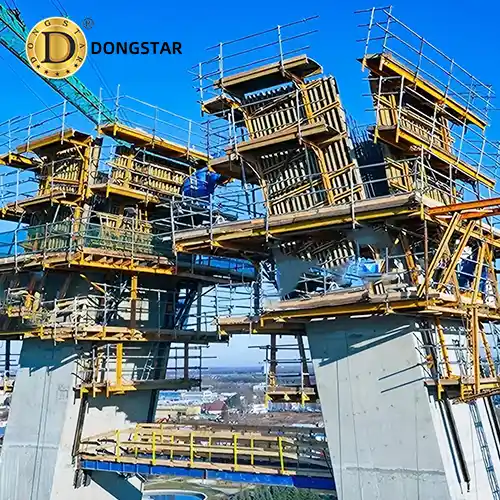
When European builders and contractors look for reliable material solutions for large-scale concrete projects, Concrete Formwork Plywood has become a go-to choice — and in recent years, Vietnamese Plywood has emerged as one of the most competitive options on the market.In this post, we explore how Vietnamese plywood fits into European construction workflows, highlight real-world applications, and explain the advantages that make it attractive for project owners, site engineers, and procurement managers. Concrete Formwork Plywood: What Is It? Concrete formwork plywood is engineered timber designed specifically for creating molds or “forms” into which concrete is poured and cured. In Europe, these panels must meet strict performance and durability standards — typically aligned with local codes like EN 636 or EN 13986 — to ensure safety and reliability across varied climates and load conditions. Unlike regular plywood, formwork plywood must: Resist moisture and repeated wetting Maintain flatness under heavy pressure Attach easily to support frames Withstand multiple reuses without delamination This is where high-quality Vietnamese plywood enters the picture. Why Vietnamese Plywood Is Gaining Ground in Europe Over the past five years, Vietnam has grown into one of the world’s leading exporters of structural plywood. From Scandinavia to Central Europe, suppliers and distributors are bringing Vietnamese Concrete Formwork Plywood into mainstream usage for its combination of performance and cost advantages. Here’s why European construction professionals are taking note: 1. Consistent Performance and Strength Vietnamese plywood is produced from fast-growing plantation timber species that are bonded with strong, weather-resistant adhesives. These panels often feature: Uniform layers for high bending strength Good screw retention Excellent impact resistance Because formwork systems are only as reliable as their panels, this quality matters for both structural integrity and worker safety. 2. Competitive Cost Without Sacrificing Quality European formwork plywood is typically sourced from Scandinavian or North American mills — and while quality there is excellent, prices are comparatively high. Vietnamese Plywood, on the other hand, offers: Lower raw material and processing costs Competitive freight options via major ports Economies of scale from export volume This cost advantage helps contractors stay within budget — particularly on large construction projects like highways, tunnels, commercial buildings, and infrastructure. 3. High Reuse Life and Sustainability One major factor for European buyers is sustainability and lifecycle efficiency. Vietnamese mills increasingly certify pulp sources and manufacturing processes Many panels meet EUTR compliance and chain of custody requirements Good quality formwork plywood can be reused 10–15+ cycles with proper care This reuse ability reduces waste and project material costs — a big win for green building initiatives and long-term ROI. Typical Applications in European Projects Vietnamese plywood sees wide use across major construction segments: Heavy Civil Engineering Projects such as bridges, viaducts, dams, and tunnels require formwork that can resist high pressure and deliver consistent concrete surface finishes. Multi-Storey Building Construction From commercial complexes to high-rise residential buildings, formwork plywood provides the flat, stable surfaces needed for walls, slabs, and beams. Industrial Infrastructure Factories, logistics hubs, and public facilities often require large-scale panel systems where repeatability and speed matter — another area where Vietnamese plywood performs well. Road and Rail Projects Curved or angled formwork shapes are common in infrastructure work. High-quality plywood panels help achieve these forms with fewer joints and less material waste. Real Benefits for Project Teams Contractors and site teams report tangible advantages when using Vietnamese concrete formwork plywood: Faster setup and dismantling Smoother finish on poured concrete Fewer panel replacements per job Better value across project lifecycle For procurement and estimating teams, the improved balance of cost and quality helps with more accurate bid proposals and tighter project margins. Challenges and Considerations While the benefits are strong, buyers should still consider a few project-specific factors: Moisture protection: Ensure proper curing and drying between reuse cycles Certification: Check compliance with EU timber regulations (EUTR) Supplier vetting: Work with experienced distributors familiar with European standards These considerations are standard wherever formwork plywood is used — and Vietnamese plywood is no exception. Final Thoughts Vietnamese concrete formwork plywood has clearly earned a place in Europe’s construction supply chain. Its strengths — consistent structural performance, competitive pricing, sustainability credentials, and multiple reuses — align with the core needs of modern building projects. For European project managers, structural engineers, and purchasing professionals, Vietnamese plywood offers a practical balance between value and performance — especially when sourced from reputable suppliers and integrated with proven formwork systems. Related Articles
Vietnam film faced plywood
Product Post

Why European Buyers Prefer Dongstarwood Vietnam Film Faced Plywood?

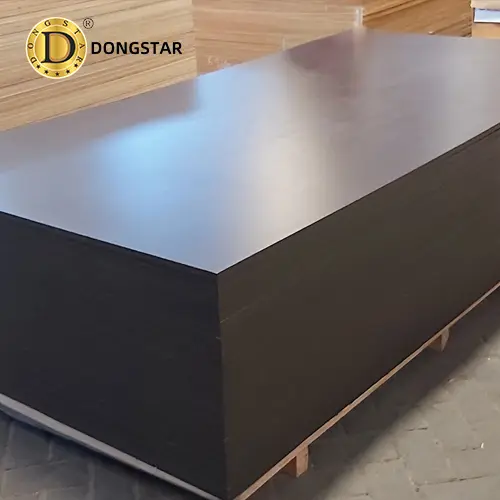
In the competitive global market for construction plywood, Vietnam film faced plywood has become a standout choice for many European buyers — especially large contractors, importers, and project developers. Among the preferred suppliers, Dongstarwood Vietnam has emerged as a reliable partner for clients seeking a blend of quality, cost-efficiency, environmental compliance, and logistical stability. 1. Exceptional Cost-to-Performance Value One of the most compelling reasons European clients are turning to Vietnam is the cost-competitive pricing of film faced plywood without sacrificing performance. Thanks to lower production and labor costs, Vietnam can offer plywood that is often 10–30% cheaper than comparable products from other Asian sources, including China or Russia. Additionally, Vietnam film faced plywood delivers durability and reuse performance that meets the rigorous expectations of construction projects. This cost advantage becomes especially meaningful for large concrete formwork projects where material volumes directly affect overall budget. 2. Favorable Trade Access for EU Importers Vietnam benefits from free trade agreements such as the EU-Vietnam Free Trade Agreement (EVFTA), which offers 0% import duty into the European Union for qualifying plywood products. This tariff advantage significantly reduces landed costs and improves supply chain predictability compared to imports from countries outside free-trade frameworks. For European project planners and procurement teams, this means:   Lower total cost of ownership Faster customs clearance Stable price forecasts year-over-year This cost advantage becomes especially meaningful for large concrete formwork projects where material volumes directly affect overall budget. 3. International Compliance and Certification Today’s European markets are not only price-driven — compliance matters, particularly with stringent environmental and material safety standards. Many Vietnam plywood manufacturers align their production with international certifications such as:   FSC® (Forest Stewardship Council) CE marking for performance standards Formal­dehyde emissions compliance (E1/E0/CARB P2) European Union Deforestation Regulation (EUDR) traceability requirements These credentials help buyers avoid regulatory headaches while aligning with sustainability goals on public and private projects. 4. Reliable Quality & Durability for Reuse Film faced plywood from Vietnam is engineered for high strength, moisture resistance, and repeat cycle use — all crucial for construction formwork applications. The phenolic film coating creates a smooth, waterproof surface that: Resists warping and delamination Improves concrete surface finish Enables multiple reuse cycles (often 8–20+ times depending on product grade) For European contractors focused on both performance and sustainability, durability translates into lower material turnover and reduced waste on site. 5. Supply Capacity and Customization Vietnam’s plywood sector has scaled up rapidly, with modern manufacturing lines and export-ready facilities capable of handling large container volumes with relatively short lead times. Many factories also provide flexible customization — from panel sizes and thicknesses to film color and glue grades — helping buyers meet project-specific needs without minimum-order constraints common in other markets. For European distributors and importers, this means: Easier inventory planning Faster turnaround on RFQs (requests for quotation) Ability to serve multiple project types with the same supplier base Final Thoughts Major European clients are increasingly choosing Dongstarwood Vietnam film faced plywood because it delivers a rare combination of: Competitive pricing and free-trade benefits Compliance with EU environmental and safety standards Robust performance for demanding construction applications Scalable supply with quality assurance Whether it’s for concrete formwork, scaffolding platforms, or large infrastructure projects, Vietnam film faced plywood has proven to be a strategic sourcing choice — balancing cost, quality, and regulatory confidence. Related Articles Black Film Faced Plywood Brown Film Faced Plywood Wire Mesh Film Faced Plywood Film Faced Plywood

Can You Stain Birch Plywood
Product Post

Can You Stain Birch Plywood? Guide fo Stain Birch Plywood

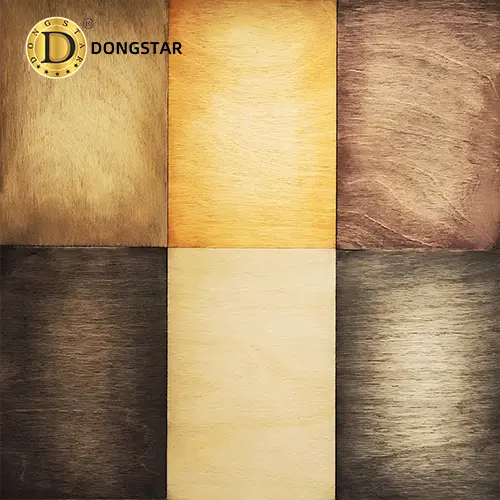
Whether you’re building shelving, cabinets, renovation accents, or custom furniture, birch plywood often tops the list for DIY and pro builders alike. As clean, smooth, and warm-toned as it gets without solid wood, many people ask: Can you stain birch plywood? Short answer: Yes — but it takes the right prep and technique to get an even, beautiful result. In this guide, we’ll break down how to stain birch plywood — including 3/4 birch plywood, 4×8 birch plywood, and 1 4 birch plywood — with clear steps, common questions, and project tips. Why Staining Birch Plywood Is Tricky (But Worth It) Birch plywood is popular because of its:   Tight grain pattern Light color base Consistency across sheets But unlike oak or ash, birch doesn’t absorb stain evenly. That means without proper prep, your finish may look blotchy or uneven. Key takeaway: You can stain birch plywood — but you’ll want to manage absorption and surface prep carefully. Staining Birch Plywood: Step-by-Step 1. Start with the Right Sheet Products like 3/4 birch plywood or 4×8 birch plywood are prized for structural projects. For tabletop or shelving faces, you may also work with thinner options like 1 4 birch plywood. Each thickness behaves similarly when stained — the challenge is surface absorption, not the plywood thickness itself. 2. Sand for Success Sanding evens out the surface and opens wood pores: Start with 120-grit sandpaper. Progress to 180–220 grit before staining. Always sand with the grain — especially on face veneers. Good sanding ensures an even stain, especially critical on edges where layers can soak up more stain. Tip: Use a sanding block or orbital sander to keep the surface flat. 3. Pre-Condition the Plywood This is the most important step. Birch doesn’t absorb stain uniformly, so apply a pre-stain wood conditioner first. This evens out penetration and makes your final color pop without blotches. Apply: With a clean cloth or brush In even strokes Wipe away any excess Wait for it to dry — normally about 15–30 mins depending on conditions. 4. Choose a Stain Type Common options: Oil-based stains — deeper penetration, classic look Water-based stains — easier cleanup, consistent color Gel stains — stay on surface longer, great for birch For lighter colors or highlights, water-based stains often give the most even look. For rich warm tones, oil-based or gel stains can be ideal. Apply stain with: Clean cloth Foam applicator Brush (for edges and detail work) Let it sit for a few minutes, then wipe off the excess. 5. Seal It Up Once your stain has dried, protect it. A clear top coat like polyurethane, lacquer, or water-based acrylic will: Enhance durability Prevent moisture absorption Make cleaning easier Two or three coats with light sanding between each typically gives the best result. Tips for Best Results with Birch Plywood Test on scrap pieces before committing to your main panel Keep boards flat to avoid pooling stain Use light coats — multiple thin layers beat one heavy one Always wipe with the grain for a cleaner finish FAQ 1. Can I stain the edges of birch plywood? Yes — but edges absorb stain more than faces. Use wood filler on edges or multiple light coats for a smooth finish. 2. Does 3/4 birch plywood stain differently than thinner sheets? No. thickness doesn’t change absorption, but edge behavior can be more noticeable on thicker materials. 3. Is pre-stain conditioner necessary? For birch plywood, yes, almost always. It’s the best step to avoid blotchy patches. 4. Can I use the same stain on birch plywood and solid wood? Yes. but results will differ. Birch plywood absorbs less and more evenly with conditioner, while solid wood often shows deeper grain variation. 5. Should I use gel stain or liquid stain? Gel stains often yield more uniform results on veneers like birch, especially for beginners. 6. How long before I can apply a protective finish? Allow the stain to fully dry — typically 4–24 hours depending on type and conditions. Yes — but edges absorb stain more than faces. Use wood filler on edges or multiple light coats for a smooth finish. No. thickness doesn’t change absorption, but edge behavior can be more noticeable on thicker materials. For birch plywood, yes, almost always. It’s the best step to avoid blotchy patches. Yes. but results will differ. Birch plywood absorbs less and more evenly with conditioner, while solid wood often shows deeper grain variation. Gel stains often yield more uniform results on veneers like birch, especially for beginners. Allow the stain to fully dry — typically 4–24 hours depending on type and conditions. Final Thoughts Can you stain birch plywood? Absolutely — whether you’re working with 3/4 birch plywood, 4×8 birch plywood, or 1 4 birch plywood. The secret isn’t just the stain you choose, but how you prepare the wood and manage absorption. With the right prep, testing, and a bit of patience, birch can look stunning — giving your project the finish it deserves. Related Articles

Product Post

Where to Buy Baltic Birch Plywood?

If you’re working on furniture, cabinetry, laser cutting, CNC routing, or any precision woodworking project in Europe, chances are you’ve heard of Baltic Birch plywood—and for good reason. Known for its exceptional strength, consistent core layers, minimal voids, and smooth surface finish, Baltic Birch is the go-to material for professionals who demand reliability and quality.But here’s the real question: Where can you actually buy genuine Baltic Birch plywood in Europe without breaking the bank or waiting weeks for delivery?You might be surprised to learn that one of the most reliable—and increasingly popular—sources isn’t from the Baltics at all… it’s from Vietnam, and the brand is Dongstarwood. Why Baltic Birch Plywood Matters for European Makers Before we dive into suppliers, let’s quickly recap why this material stands out: Uniform birch plies: Unlike standard plywood with softwood cores or filler layers, Baltic Birch uses 100% birch throughout—often 13+ plies in a 18mm sheet. Fewer voids: Critical for CNC work or structural integrity. Sanded on both sides: Ready for finishing straight off the stack. Stable & durable: Ideal for high-end joinery, jigs, and even architectural models. European demand for this premium plywood has surged in recent years—especially among small workshops, design studios, and prototyping labs. Google Trends data from late 2024 through early 2025 shows a steady climb in searches like “buy Baltic Birch plywood Europe” and “Baltic Birch supplier EU,” confirming strong market interest. Enter Dongstarwood: Vietnam’s Rising Star in Premium Plywood Now, you might wonder: “Why would I buy Baltic Birch from Vietnam?”Great question. First, clarify this: Dongstarwood doesn’t claim to produce “Baltic” plywood in the geographical sense (which traditionally comes from Russia, Finland, or the Baltics). Instead, they manufacture high-grade birch plywood that meets or exceeds Baltic Birch specifications—often at more competitive prices and with better export logistics.Here’s what makes Dongstarwood stand out for European buyers:   True Multi-Ply Construction: Their birch plywood features consistent cross-bonded layers with no gaps—ideal for precision machining. FSC-Certified Options: Sustainability matters, and Dongstarwood offers FSC chain-of-custody certified sheets. Custom Thicknesses & Sizes: From 3mm to 30mm, including non-standard dimensions tailored to your project. EU-Compliant Finishes: Low formaldehyde emissions (E0/E1 grade), safe for indoor use across the EU. Reliable Export Experience: They ship regularly to Germany, France, the Netherlands, Spain, and Poland—with DDP (Delivered Duty Paid) options to simplify customs. Many European fabricators have switched to Dongstarwood after supply chain disruptions affected traditional Baltic sources post-2022. The result? Consistent quality, faster lead times, and better pricing—all without compromising on performance. “We tested Dongstarwood’s 18mm birch against our usual Finnish stock. The CNC cut quality was identical, but the cost was 18% lower—and it arrived in Rotterdam in 12 days.” Lukas Workshop Owner, Berlin Where Else Can You Buy Baltic Birch in Europe? Of course, Dongstarwood isn’t your only option. Other common sources include: Local timber merchants (e.g., Hymmen in Germany, B&Q Pro in the UK—but availability varies) Online specialty retailers like Plywood Online (UK), Wood Database (NL), or Outils Wolf (FR) Industrial suppliers such as Hornbach or Bauhaus (though often limited to lower grades) However, many of these either mark up prices significantly, offer inconsistent stock, or sell “Baltic-style”  plywood that’s actually mixed-core—not true multi-ply birich. That’s where direct sourcing from a trusted manufacturer like Dongstarwood becomes a game-changer. How to Order from Dongstarwood (For EU Customers) Visit their official website: www.dongstarwood.vnRequest a sample pack (highly recommended—they’ll send small cuts of 6mm, 12mm, and 18mm)Get a quote with EXW, FOB, or DDP terms—DDP is easiest for first-time importersConfirm certifications (ask for E1, FSC, or CARB documentation if needed)Place your order—typical lead time: 7–14 days production + 20–30 days sea freight to EU portsPro tip: Order a full container (or share one via LCL) to maximize cost efficiency. Many small workshops now collaborate on group buys via maker forums or Facebook groups. Final Thoughts Whether you call it “Baltic Birch” or “premium multi-ply birch,” what really matters is performance—and Dongstarwood delivers. With rising demand and tightening supply from traditional regions, smart European makers are looking beyond geography and focusing on specs, sustainability, and service.If you’re tired of overpaying or dealing with inconsistent stock, it might be time to give Dongstarwood a serious look. Related Articles

Why Birch Plywood from Vietnam Dongstarwood Is Gaining Momentum in Europe
Product Post

Why Birch Plywood from Vietnam Dongstarwood Is Gaining Momentum in Europe?

In recent months, Birch Plywood has shown a noticeable rise in search interest across Europe, particularly among B2B buyers involved in construction, interior fit-out, furniture manufacturing, and industrial projects. While traditional Baltic supply remains important, more European companies are actively looking toward Vietnamese manufacturers—and Vietnam Dongstarwood stands out among them.This shift is not driven by price alone. It is about stable supply, reliable performance, compliance with EU standards, and long-term sourcing security.In this blog, we’ll explore the key reasons European businesses are choosing birch plywood — and why it’s emerging as a cornerstone material across industries. Growing European Demand for Birch Plywood: What’s Driving the Trend? Across Google search data and procurement platforms, European buyers are increasingly searching for:   alternative birch plywood suppliers FSC birch plywood outside Europe stable plywood supply for long-term projects The reasons are practical:   Supply pressure in traditional Baltic regions Longer lead times and price volatility Higher compliance requirements from EU clients Stricter sustainability expectations Vietnam, particularly experienced exporters like Dongstarwood, has positioned itself as a serious, long-term partner, not just a low-cost option. Why Vietnam Dongstarwood Birch Plywood Fits European B2B Needs 1. Consistent Quality for Project-Based Purchasing European B2B projects demand repeatable quality, not just one good shipment. Vietnam Dongstarwood’s birch plywood is manufactured with:   Uniform veneer thickness Tight core construction with minimal gaps Stable moisture control suitable for EU climates This consistency is especially important for multi-phase construction projects, hotel chains, retail rollouts, and furniture collections, where materials must match across batches. 2. Strength and Performance Comparable to Baltic Birch Plywood A common concern among European buyers is whether non-European birch plywood can meet performance expectations. In practice, Dongstarwood’s birch plywood delivers:   High bending strength Excellent screw-holding performance Strong edge stability for machining This makes it suitable for: Structural interior components Load-bearing furniture parts CNC-machined panels For many applications, buyers report no functional difference compared to traditional Baltic birch plywood—while enjoying better supply stability. 3. CNC-Friendly Panels for European Manufacturing European manufacturers rely heavily on CNC cutting and automated processing. Birch plywood from Vietnam Dongstarwood is well suited for this environment due to:   Clean cutting edges Low splintering Predictable density This reduces machine downtime, lowers waste, and helps factories maintain consistent output—an important factor in high-volume European production lines. 4. Sustainability and FSC Compliance Matter More Than Ever Sustainability is no longer optional in Europe. Dongstarwood supplies FSC-certified birch plywood, helping European buyers meet:   Corporate ESG commitments Public tender requirements Green building standards Responsible sourcing also reduces reputational risk for European importers, distributors, and project contractors. FSC-certified wood sourcing 5. Competitive Pricing Without Sacrificing Standards While price is not the only factor, cost control remains critical in European projects—especially in commercial construction and large furniture contracts.   Vietnam Dongstarwood benefits from: Efficient manufacturing infrastructure Skilled plywood production workforce Optimized export logistics to Europe This allows European buyers to maintain quality while improving margin control, a key advantage in today’s competitive market. Key Applications of Dongstarwood Birch Plywood in Europe Construction & Interior Fit-Out Wall panel systems Ceiling structures Flooring underlayment Temporary formwork Furniture Manufacturing Cabinets and carcasses Office furniture components Table tops and shelving Upholstered furniture frames Industrial & Commercial Use Shopfitting and retail displays Exhibition stands Transport interiors Packaging for high-value equipment Its strength, clean surface, and machinability make birch plywood a multi-sector material, reducing the need for multiple panel types. Why European Buyers Choose Vietnam Dongstarwood Specifically From buyer feedback and sourcing behavior, several reasons appear repeatedly:   Clear technical documentation Stable export experience to Europe Familiarity with EU quality expectations Flexible order quantities for projects Reliable long-term cooperation mindset For European companies, this reduces onboarding risk when adding a new overseas plywood supplier. Final Thoughts Birch Plywood from Vietnam Is No Longer an Alternative—It’s a Strategy For European B2B buyers, Birch Plywood manufactured by Vietnam Dongstarwood represents a smart balance between quality, compliance, sustainability, and commercial stability.As search interest continues to grow and sourcing strategies evolve, companies that act early often secure better terms, stronger partnerships, and more predictable project outcomes. Related Articles All Commercial Plywood Film Faced Plywood UV Birch Plywood Birch Plywood

acacia plywood furniture
Product Post

What are the Commercial Applications of Acacia Plywood?

Looking for tough, attractive plywood for large projects? Acacia Plywood offers durability and a premium look — ideal for European wholesalers and contractors seeking reliable timber for furniture, flooring, and commercial fit-outs. Durable interior surfaces Heavy-use furniture Acacia plywood combines dense hardwood veneers with stable cores, producing panels that withstand daily wear — perfect for dining tables, seating, cabinetry, and contract furniture where scratch resistance and long life matter. Decorative wall panels and joinery Its distinctive grain and warm tones make Acacia plywood a go-to for visible joinery, feature walls, and bespoke millwork in hotels, offices, and retail spaces where aesthetics and durability must coexist. Flooring and high-traffic surfaces Commercial and residential flooring Acacia veneer plywood is often used as a cost-effective, stable substrate or finished floor for retail, hospitality, and residential projects — it resists dents and keeps an attractive finish under heavy footfall. Decking, ramps and vehicle flooring When treated or film-faced, acacia plywood suits covered decking, vehicle floors, and staging platforms that need impact resistance and moisture tolerance during repeated loads. Structural and project-scale uses Formwork and temporary structures For contractors requiring strong, reusable panels, acacia plywood offers stiffness and reliable performance for formwork, concrete shuttering, and temporary site structures when properly specified. Modular and prefab building elements Acacia plywood’s dimensional stability and finish quality make it suitable for prefabricated walls, joinery modules, and furniture-integrated building components used in modular construction. Supply, market and sourcing considerations Export availability and sourcing routes Global shipment data shows growing acacia trade flows from Asia (notably Vietnam and India), so European buyers can secure consistent supply through established exporters and freight lanes. Price, grade selection and lead times Acacia often sits above commodity softwoods in price; specifying veneer grade, core type, and finishing early helps wholesalers and project buyers balance cost, aesthetics, and delivery schedules. Sustainability and compliance Plantation and cultivated sources Much commercial acacia now comes from plantation or managed forests — this helps maintain supply while offering traceability options that matter for European procurement policies. Regulatory fit for EU markets With regulations like the EU’s forest-risk and deforestation rules shaping procurement, buyers should request origin documentation and chain-of-custody evidence to ensure market access and corporate ESG compliance. Final Thoughts Acacia Plywood delivers a strong mix of durability, attractive appearance, and versatile commercial uses — from contract furniture and flooring to formwork and modular building elements. For European wholesalers and large contractors, careful grade selection, certified sourcing, and supplier relationships are the keys to unlocking acacia’s value in project pipelines. Recommended Reading What Is Acacia Plywood? A Practical Guide to Acacica Plywoe Related Articles All Company News Product Post How is Vietnam Dongstar Wood Co., Ltd.? Why do European Customers Choose Plywood Factories in Vietnam?

Vietnam Dongstar Wood Co.,Ltd.
Company News

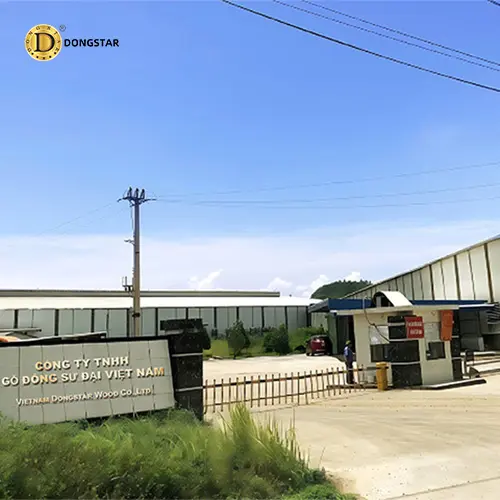
How is Vietnam Dongstar Wood Co., Ltd.?

Looking for a dependable wood supplier in Vietnam? Vietnam Dongstar delivers quality timber with competitive pricing — a valuable partner for European wholesalers and large-scale project contractors. Why European demand makes “Vietnam Dongstar” timely Growing demand for Vietnamese wood in the EU European wooden-furniture imports from non-bloc markets grew in 2025, with Vietnamese products increasing share — a sign that buyers seek alternatives beyond traditional suppliers. Strategic advantage thanks to trade agreements The EVFTA between Vietnam and the EU reduces tariffs and eases market access for Vietnamese wood products, benefiting exporters like Vietnam Dongstar. What “Vietnam Dongstar” offers — Strengths for B2B clients Solid manufacturing base and export capacity Vietnam’s wood and wood-product exports hit a record in 2024 and are forecast to reach US$18 billion in 2025, showing momentum and reliability in supply. Skilled processing and capacity for large orders With many Vietnamese wood businesses scaling up processing, companies like Vietnam Dongstar can meet high-volume demands typical for wholesalers and large project contractors. Compliance, sustainability, and supply-chain transparency — what matters for Europe Meeting legal and environmental standards Due to regulations such as the forthcoming EUDR (EU Deforestation Regulation), European buyers demand clear origin and sustainable sourcing — Vietnam wood suppliers are adapting to meet that. Opportunity to provide certified sustainable timber Suppliers that ensure legal and sustainable raw material sourcing can appeal to contractors and buyers pursuing “green” credentials — a differentiator in modern procurement. Final Thoughts Vietnam Dongstar Wood Co.,Ltd. offers European wholesalers and large-project contractors access to a robust Vietnamese timber supply — backed by a booming export sector, growing EU demand, and trade benefits under EVFTA. With proper legal compliance and sustainable sourcing, Dongstar represents a reliable, cost-effective, and scalable wood-supply partner for B2B clients. Related Articles All Company News Product Post Why do European Customers Choose Plywood Factories in Vietnam?

Vietnam Dongstarwood Plywood Factory
Product Post

Why do European Customers Choose Plywood Factories in Vietnam?

European buyers searching for reliable Vietnam plywood suppliers increasingly turn to local manufacturers because they deliver stable quality, competitive pricing, and fast production cycles. This blog explains why a Vietnam Plywood Factory has become a preferred partner for wholesalers and large project contractors across Europe, covering cost, quality, certifications, and supply-chain benefits. Competitive Manufacturing Strengths of Vietnam Plywood Cost Efficiency for Large B2B Buyers Vietnamese plywood mills offer strong price competitiveness thanks to an optimized labor structure and predictable manufacturing workflows. For European wholesalers handling large orders, this cost stability reduces project risk. Combined with export-friendly government policies, buyers benefit from consistent quotations without sudden fluctuations—an advantage especially important for long-term and high-volume procurement. Strong Local Raw-Material Ecosystem Vietnam’s plantation hardwoods—acacia, eucalyptus, and melaleuca—give manufacturers a stable raw-material base. Many mills are positioned close to forests, reducing transportation cost and shortening the production cycle. A matured supplier network also makes it easier for buyers to secure consistent veneer quality and volume, even during peak seasons. Quality & Compliance Meeting EU Standards EU-Required Certifications Most Vietnam plywood factories are well-equipped to meet strict European requirements such as CARB, E1, and E0 emission standards. Many also maintain FSC-certified material sources for buyers who need verified sustainable products. This compliance readiness minimizes the risk of customs delays and supports large contractors bidding for environmentally responsible projects. Durability & Climate Resistance Vietnam plywood is engineered to perform well in diverse climates—humid, cold, or variable—which suits European regions where weather changes can be extreme. Resin bonding and multilayer core structures help reduce warping and delamination, making these panels reliable for flooring bases, formwork, furniture frames, and prefab construction. Supply Chain Reliability for European Importers Efficient Production & Shipping Cycles Vietnam’s port infrastructure supports smooth export operations. Plywood factories are accustomed to handling containerized shipments weekly, enabling shorter lead times even for full-load orders. This operational stability lets European buyers plan delivery schedules accurately, avoiding costly project downtime. Custom Specs for Projects & Wholesale Needs A typical Vietnam Plywood Factory offers flexible specifications—thickness options, customized face veneers, tailored glue systems (MR, WBP, Melamine), and specialized tolerances for industrial use. This adaptability helps contractors meet exact project standards without expensive post-production modifications. Business Advantages of Choosing a Vietnam Plywood Factory Export-Experienced Teams Vietnamese manufacturers usually maintain dedicated export teams with strong English communication and deep experience with EU documentation. This reduces misunderstandings and speeds up order finalization—crucial for B2B clients handling multiple large shipments throughout the year. Transparent Quoting Process Most factories follow an open quotation structure, clearly listing veneer grade, glue type, moisture content, and core composition. This transparency lets European buyers evaluate cost-to-performance ratios easily, helping improve budget planning for wholesale and project-based purchases. FAQ 1. Why is Vietnam plywood popular in Europe?Because it offers stable quality, competitive pricing, and fast production cycles supported by strong raw-material availability.2. Can Vietnam plywood meet European emission standards?Yes, many factories comply with CARB, E1, and E0 requirements.3. Is the moisture resistance suitable for European climates?Vietnam plywood using WBP or melamine glue performs well in humid and cold environments.4. How reliable are Vietnamese shipping schedules?Factories ship regularly through major ports, ensuring consistent lead times.5. Can factories produce customized plywood for projects?Yes, most mills offer custom veneer faces, glue systems, and thickness tolerances.6. Are the prices stable for long-term buyers?Vietnam’s stable supply system and predictable labor structure support long-term pricing stability. Final Thoughts European customers choose Vietnam plywood because it delivers a dependable mix of quality, compliance, and competitive pricing. Whether for wholesale distribution or large-scale project work, a Vietnam Plywood Factory offers the flexibility, reliability, and certification support needed for long-term cooperation. Related Articles All Company News Product Post How is Vietnam Dongstar Wood Co., Ltd.?

Scroll to Top
Dongstarwood Team
Dongstarwood Service Team

At Dongstarwood, we believe great partnerships start with listening. We’d love to understand your business and your unique needs, for you. Let’s begin the conversation—your vision, our commitment.

Submit The Form Now, Get Best Quote Today

* We respect your privacy and collect information solely to provide solutions, not for any other purpose.

Dongstarwood Team
Equipo de servicio de Dongstarwood

En Dongstarwood, creemos que las grandes alianzas empiezan escuchando. Nos encantaría comprender su negocio y sus necesidades específicas. Comencemos la conversación: su visión, nuestro compromiso.

Envíe el formulario ahora y obtenga la mejor cotización hoy

* Respetamos su privacidad y recopilamos información únicamente para brindar soluciones, no para ningún otro propósito.