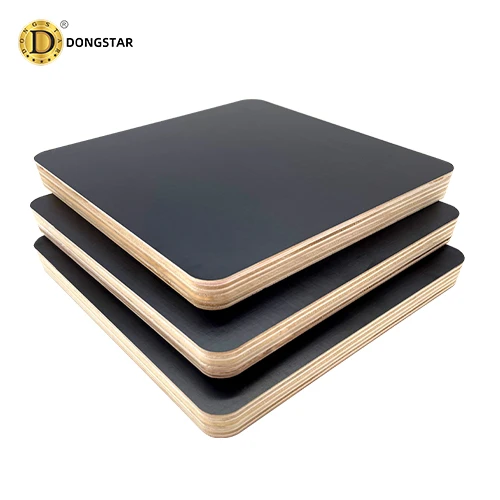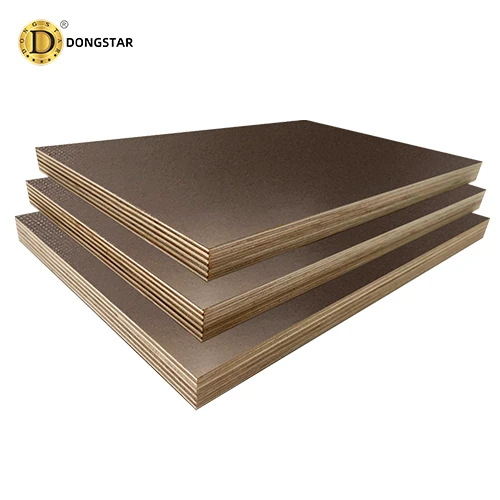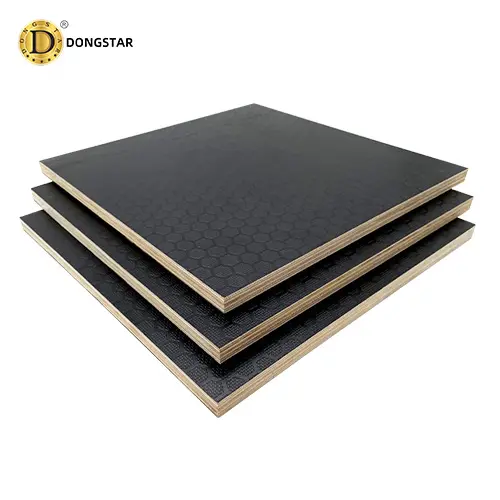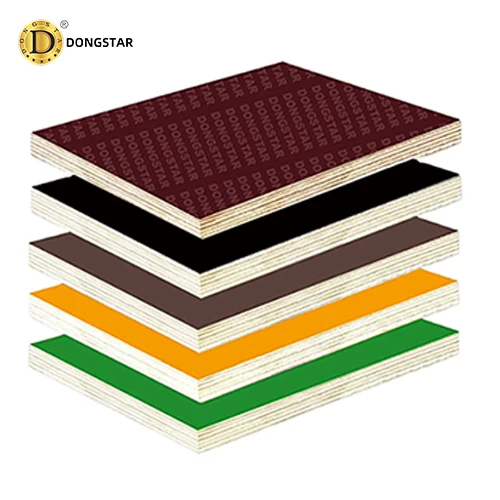

In the competitive global market for construction plywood, Vietnam film faced plywood has become a standout choice for many European buyers — especially large contractors, importers, and project developers. Among the preferred suppliers, Dongstarwood Vietnam has emerged as a reliable partner for clients seeking a blend of quality, cost-efficiency, environmental compliance, and logistical stability.
1. Exceptional Cost-to-Performance Value
One of the most compelling reasons European clients are turning to Vietnam is the cost-competitive pricing of film faced plywood without sacrificing performance. Thanks to lower production and labor costs, Vietnam can offer plywood that is often 10–30% cheaper than comparable products from other Asian sources, including China or Russia. Additionally, Vietnam film faced plywood delivers durability and reuse performance that meets the rigorous expectations of construction projects.
This cost advantage becomes especially meaningful for large concrete formwork projects where material volumes directly affect overall budget.
2. Favorable Trade Access for EU Importers
Vietnam benefits from free trade agreements such as the EU-Vietnam Free Trade Agreement (EVFTA), which offers 0% import duty into the European Union for qualifying plywood products. This tariff advantage significantly reduces landed costs and improves supply chain predictability compared to imports from countries outside free-trade frameworks.
For European project planners and procurement teams, this means:
- Lower total cost of ownership
- Faster customs clearance
- Stable price forecasts year-over-year
This cost advantage becomes especially meaningful for large concrete formwork projects where material volumes directly affect overall budget.
3. International Compliance and Certification
Today’s European markets are not only price-driven — compliance matters, particularly with stringent environmental and material safety standards. Many Vietnam plywood manufacturers align their production with international certifications such as:
- FSC® (Forest Stewardship Council)
- CE marking for performance standards
- Formaldehyde emissions compliance (E1/E0/CARB P2)
- European Union Deforestation Regulation (EUDR) traceability requirements
These credentials help buyers avoid regulatory headaches while aligning with sustainability goals on public and private projects.
4. Reliable Quality & Durability for Reuse
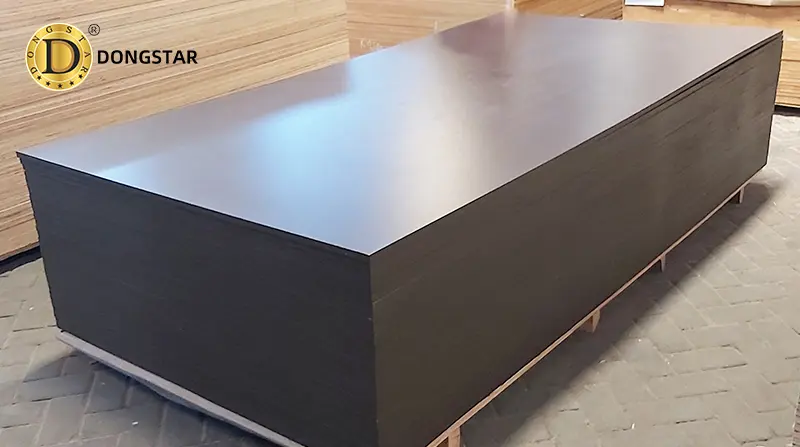
Film faced plywood from Vietnam is engineered for high strength, moisture resistance, and repeat cycle use — all crucial for construction formwork applications. The phenolic film coating creates a smooth, waterproof surface that:
- Resists warping and delamination
- Improves concrete surface finish
- Enables multiple reuse cycles (often 8–20+ times depending on product grade)
For European contractors focused on both performance and sustainability, durability translates into lower material turnover and reduced waste on site.
5. Supply Capacity and Customization
Vietnam’s plywood sector has scaled up rapidly, with modern manufacturing lines and export-ready facilities capable of handling large container volumes with relatively short lead times. Many factories also provide flexible customization — from panel sizes and thicknesses to film color and glue grades — helping buyers meet project-specific needs without minimum-order constraints common in other markets.
For European distributors and importers, this means:
- Easier inventory planning
- Faster turnaround on RFQs (requests for quotation)
- Ability to serve multiple project types with the same supplier base
Final Thoughts
Major European clients are increasingly choosing Dongstarwood Vietnam film faced plywood because it delivers a rare combination of:
- Competitive pricing and free-trade benefits
- Compliance with EU environmental and safety standards
- Robust performance for demanding construction applications
- Scalable supply with quality assurance
Whether it’s for concrete formwork, scaffolding platforms, or large infrastructure projects, Vietnam film faced plywood has proven to be a strategic sourcing choice — balancing cost, quality, and regulatory confidence.