

When you’re planning a build — whether it’s a deck, shed, kitchen cabinet or workshop storage — one question always comes up first:
How big is a sheet of plywood?
It sounds simple, but sizes and thicknesses vary depending on where you shop and what role the plywood will play in your project. This guide breaks it all down clearly, especially for UK and European builders, renovators, and DIYers.
Standard Plywood Sizes: What You Need to Know
Plywood isn’t one single size. The board’s length, width and thickness are key to how it performs.
Common Plywood Dimensions
| Type | Nominal Size (inches) | Metric Equivalent |
|---|---|---|
| 4×8 plywood | 4′ × 8′ | 1220mm × 2440mm |
| 8×4 plywood (UK) | 2440mm × 1220mm | Same board, reversed naming |
| Sheet thicknesses | Varies | See below |
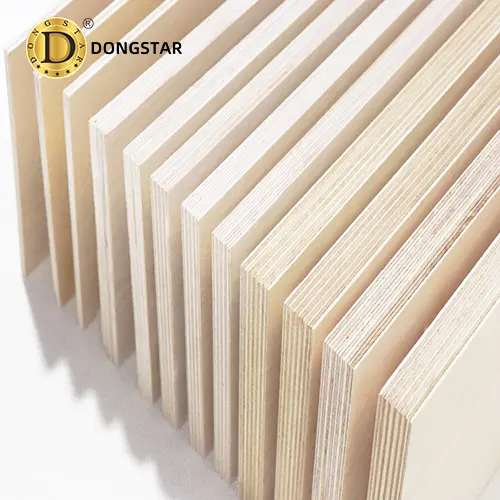
Typical Plywood Thicknesses Explained
Instead of length/width, many people are most confused by thickness. Let’s clear that up:
1/4 plywood
- Thin, lightweight panel
- Great for backing panels, craft builds or drawer bottoms
- Not suited for structural loads
1/2 plywood (12mm)
- Stronger than 1/4 but still easy to cut
- Good for shelves or light furniture
5/8 plywood (~15–16mm)
- A balance between weight & strength
- Often used in flooring underlayment or cabinetry
3/4 plywood (~18–19mm)
- Most common thickness
- Great for cabinets, worktops, and structural builds
- Provides solid strength without excessive weight
1 1/2 plywood
- Unusual and thicker than usual sheets
- Primarily for heavy structural builds or engineered applications
Tip: The nominal thickness (like “3/4”) often varies slightly in finished sizes due to sanding or manufacturing standards.
Which Thickness Should You Choose?
Here’s a quick guide depending on your project:
| Project Type | Suggested Thickness |
|---|---|
| Shelves & cabinets | 1/2″ – 3/4″ |
| Flooring underlay | 5/8″ |
| Exterior plywood builds | 3/4″ (exterior grade) |
| Decorative paneling | 1/4″ |
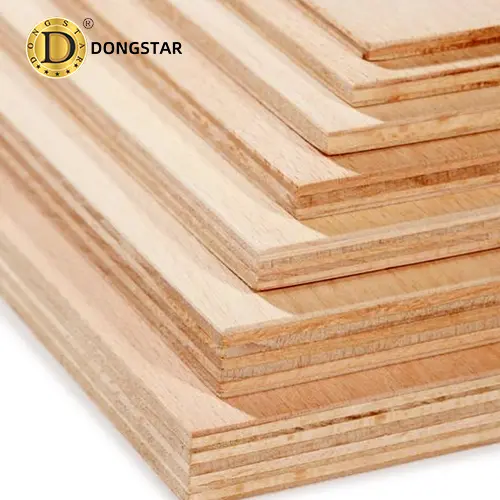
Locally Relevant Advice
In the UK and Europe you’ll often see plywood labelled in metric sizes like 1220 × 2440 mm or 18 mm, 12 mm etc. Many timber merchants also use terms like:
These grades matter just as much as the size — especially if you need your plywood to withstand loads, weather, or moisture.
Practical Tips Before You Buy
- Measure twice before ordering — plywood sheets are big
- Ask about finished thickness, not just nominal
- Consider grade & veneer quality (A/B grade, etc.)
- Check whether the plywood is suitable for interior or exterior use