

How to Check Plywood Quality Before Shipment: The Ultimate Guide for EU Importers and Wholesalers
In international plywood sourcing, one mistake can cost thousands of euros.
Many importers focus heavily on pricing, lead times, and shipping costs but overlook one critical step: pre-shipment quality inspection.
For project contractors, wholesalers, distributors, and furniture manufacturers across Europe, receiving defective plywood can lead to:
- Customer complaints
- Project delays
- Product returns
- Reputation damage
- Significant financial losses
That’s why experienced buyers never rely solely on supplier photos or factory promises.
Instead, they follow a structured inspection process before every shipment.
Whether you’re sourcing from a Plywood Supplier in Vietnam or evaluating a new Plywood Factory, this guide explains exactly what to check before your plywood leaves the factory.
Why Pre-Shipment Plywood Inspection Is Critical
Once a container arrives in Europe, correcting quality problems becomes expensive and complicated.
A comprehensive inspection helps buyers verify:
- Product specifications
- Surface quality
- Core construction
- Moisture content
- Glue performance
- Packaging condition
- Quantity accuracy
The cost of inspection is often far lower than the cost of receiving defective goods.
1. Verify Plywood Dimensions and Thickness
The first step is confirming that plywood dimensions match the purchase order.
Check:
- Length
- Width
- Thickness
- Squareness
Even small deviations can create installation problems.
Common Thicknesses
- 9mm
- 12mm
- 15mm
- 18mm
- 21mm
Professional buyers use calibrated measuring tools rather than visual estimates.
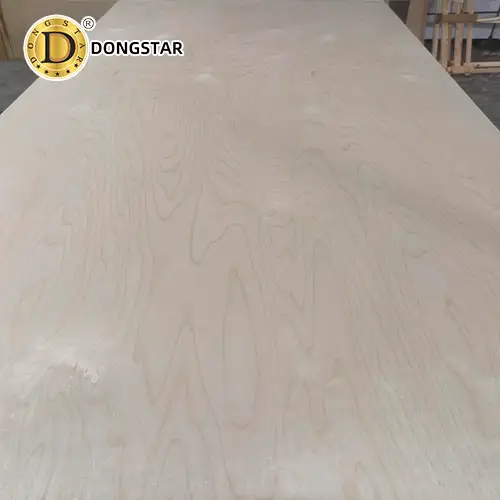
2. Inspect Surface Quality Carefully
Surface appearance directly impacts product value.
Examine each panel for:
- Sanding quality
- Color consistency
- Surface smoothness
- Veneer defects
Watch for:
- Scratches
- Dents
- Open knots
- Repairs
- Glue stains
Higher-grade plywood should have a clean and uniform appearance.
3. Check Core Construction
One of the most important plywood inspections involves examining the core.
Poor internal construction often causes future failures.
Common Core Problems
Core Gaps
Large voids reduce strength.
Overlapping Veneers
Can weaken structural performance.
Delamination Risks
Poor veneer bonding may lead to panel separation.
Ask your Plywood Factory to provide:
- Edge photos
- Cross-section samples
- Cut panel inspections
Many experienced importers randomly cut panels during inspection.
4. Test Glue Bonding Quality
Glue quality determines durability and moisture resistance.
Different applications require different bonding standards.
Common Glue Types
MR Glue
Suitable for interior use.
Melamine Glue
Provides moderate moisture resistance.
WBP Glue
Recommended for:
- Construction plywood
- Film faced plywood
- High-humidity environments
Weak glue bonding often leads to delamination after installation.
5. Measure Moisture Content
Moisture levels significantly affect plywood performance.
Excess moisture may cause:
- Warping
- Swelling
- Mold growth
- Structural instability
Recommended Moisture Range
For most export plywood:
8%–14%
Professional inspectors use moisture meters to test multiple panels from different bundles.
6. Verify Face and Back Veneer Grades
Many disputes occur because buyers and suppliers interpret grades differently.
Inspect:
- Face veneer quality
- Back veneer quality
- Repair frequency
- Color variation
Common grades include:
- AA
- AB
- BB
- BC
- CC
Always confirm grading standards before production begins.
7. Conduct Random Sampling
Never inspect only the top sheets.
Quality problems often hide in the middle of bundles.
Professional inspections typically follow random sampling methods.
Panels should be selected from:
- Top layers
- Middle layers
- Bottom layers
This provides a more accurate representation of the shipment.
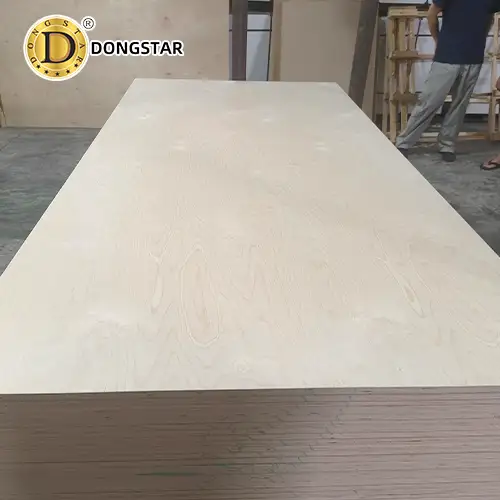
8. Check Packaging and Container Readiness
Good plywood can still arrive damaged if packaging is poor.
Inspect:
- Pallet quality
- Plastic wrapping
- Edge protection
- Bundle strapping
For export shipments, packaging should protect against:
- Moisture
- Rough handling
- Long-distance transportation
9. Verify Product Quantity
Before shipment, confirm:
- Sheet count
- Bundle count
- Container loading quantity
Even reliable suppliers occasionally make counting errors.
Cross-check quantities against:
- Packing list
- Purchase order
- Production records
10. Review Certifications and Documentation
For European buyers, compliance is increasingly important.
Request copies of:
- FSC certificates
- Commercial invoices
- Packing lists
- Test reports
- Product specifications
Documentation should match actual goods.
Inconsistencies may create customs clearance issues.
Common Quality Problems EU Importers Encounter
Delamination
Layers separate after installation.
Core Voids
Internal gaps reduce strength.
Thickness Variation
Creates installation and machining issues.
High Moisture Content
Causes warping and instability.
Poor Surface Finish
Reduces product value and customer satisfaction.
Most of these problems can be detected before shipment through proper inspection.
Should You Use Third-Party Inspection Services?
For large-volume orders, many professional buyers use independent inspection agencies.
Benefits include:
- Objective assessment
- Detailed reports
- Reduced sourcing risk
- Better dispute resolution
This is particularly useful when working with a new Plywood Supplier for the first time.
Why Many Buyers Prefer Experienced Plywood Factories
Experienced factories typically provide:
- Better quality control systems
- Technical documentation
- Stable production standards
- Professional communication
Long-term partnerships often reduce inspection risks because both parties understand expectations clearly.
Why Importers Choose Dongstar Wood
For buyers seeking reliable export-quality plywood, Dongstar Wood offers:
- Direct manufacturing
- Strict quality control
- Professional export support
- OEM production capability
- FSC-certified material options
- Extensive international shipping experience
By implementing multiple quality checkpoints throughout production, Dongstar helps customers reduce sourcing risk and improve consistency.
FAQs
Every shipment should be inspected, especially when working with new suppliers.
Core construction and glue bonding are among the most critical factors.
Most professional exporters target 8%–14%.
For large orders or new suppliers, third-party inspection is highly recommended.
Random cut-panel inspections provide the most reliable method.
Proper packaging helps prevent damage during international transportation.
Final Thoughts
Successful plywood importing is not just about finding the lowest price.
The most experienced buyers focus on:
- Quality consistency
- Supplier transparency
- Technical compliance
- Pre-shipment verification
A thorough inspection process protects your investment, reduces claims, and helps ensure that the plywood arriving at your warehouse meets expectations.
Before your next order ships, make sure every critical quality checkpoint has been verified. The cost of inspection is small compared to the cost of a quality problem discovered after arrival.