

What 18mm Plywood Means in UK & Europe
What 18mm Plywood Means in UK & Europe
If you’re sourcing materials in the UK or across Europe, you’ll rarely see “3/4 inch” written on a sheet. Instead, it’s labeled as 18mm Plywood.
But here’s the thing most suppliers won’t say clearly:
18mm plywood is the European equivalent of 3/4 Plywood—but it’s not always exact.
- Nominal thickness: 18mm
- Actual thickness: ~17.5mm–18.3mm
That small difference matters when you’re:
- Slotting panels into joints
- CNC cutting
- Building cabinets
Why 18mm Plywood = 3/4 Plywood
Globally, 4×8 Plywood sheets (1220 × 2440mm) are still the go-to format. Even in Europe, builders stick to this size because:
- It aligns with stud spacing
Reduces waste
Works with standard tools
So whether you call it:
- 18mm Plywood (EU)
- 3/4 Plywood (US/UK informal)
You’re basically talking about the same structural sheet.
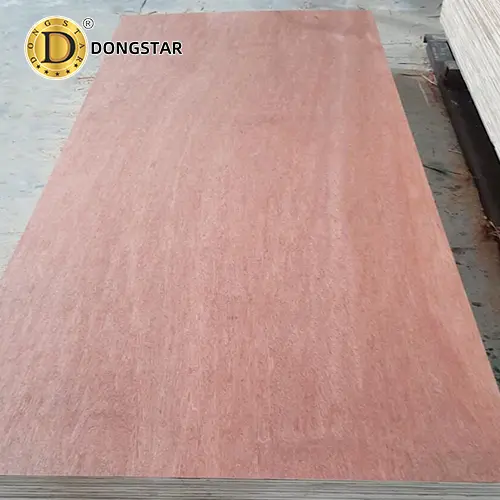
Average Weight of 4x8 Plywood Sheets
Typical Weight in kg and lbs
Let’s get straight to the number most people are searching for:
A 4×8 sheet of 3/4 Plywood (18mm Plywood) typically weighs:
- 27 kg to 35 kg
- 60 lbs to 77 lbs
That’s the realistic range you’ll see across UK and EU suppliers.
Here’s a quick breakdown:
| Plywood Type | Weight (kg) | Weight (lbs) |
|---|---|---|
| Softwood plywood | 27–30 kg | 60–66 lbs |
| Birch plywood | 30–34 kg | 66–75 lbs |
| Marine plywood | 32–38 kg | 70–84 lbs |
Real UK Supplier Weight Ranges
From actual listings across UK timber merchants:
- Structural softwood sheets → ~28 kg
- Birch plywood (popular in Europe) → ~32 kg
- Heavy-duty marine boards → up to 38 kg
So if you’re planning transport, always assume the higher end.
Weight Differences by Plywood Type
Softwood vs Hardwood
Softwood plywood:
- Lighter
- Easier to handle
- Used in construction
Hardwood plywood:
- Denser
- Smoother finish
- Used in furniture
Difference per sheet: up to 5–7 kg
Birch vs Structural Plywood
In Europe, birch plywood is everywhere.
Why it weighs more:
- More plies (layers)
- Higher density
- Stronger bonding
Result:
Feels noticeably heavier when lifting.
Marine Plywood Weight
Marine plywood is in a different category:
- Waterproof glue
- No internal voids
- Higher density
It’s often the heaviest option in the 3/4 Plywood category.
What Actually Affects 3/4 Plywood Weight
Density & Wood Species
The core factor:
- Softwood: lighter
- Birch/hardwood: heavier
Even two sheets labeled “18mm” can feel completely different.
Moisture Content in Europe
This one gets overlooked a lot.
In the UK and Northern Europe:
- High humidity = plywood absorbs moisture
Adds 2–5 kg per sheet
And yes—you’ll feel that difference when lifting.
Manufacturing Differences
Not all plywood is made the same:
- Number of layers
- Glue type
- Core material
Higher-quality boards = heavier, but also stronger.
Quick Weight Table for 18mm Plywood
Thickness vs Weight Comparison
| Thickness | Typical Weight |
|---|---|
| 12mm | 18–22 kg |
| 18mm (3/4 Plywood) | 27–35 kg |
| 25mm | 35–45 kg |
18mm hits the sweet spot for strength vs weight.
Why Weight Matters for Projects
Transport & Manual Handling
Let’s be real for a second:
A single sheet (~30 kg):
- Liftable solo (barely)
- Awkward and risky
Multiple sheets?
- 10 sheets = ~300 kg
- That’s already near payload limits for small vans
Most pros:
- Work in pairs
- Use panel carriers
Load Calculations
Weight matters more than people think:
- Flooring systems
- Shelving units
- Raised platforms
If you underestimate:
You risk structural issues later.
Buying 4x8 Plywood in the UK & EU
Common Sizes and Variations
Typical sheet:
- 1220 × 2440 mm
- Thickness: 18mm
But variations exist:
- 1200 × 2400 mm (budget sheets)
- Slight thickness differences
Mistakes to Avoid
- Assuming all sheets weigh the same
- Ignoring moisture
- Not checking plywood type
- Overloading vehicles
Simple mistake, expensive consequences.
Best Uses for 18mm / 3/4 Plywood
18mm Plywood is ideal for:
- Subfloors
- Cabinets
- Workbenches
- Shelving
- Wall sheathing
Why builders prefer it:
- Strong
- Reliable
- Widely available
FAQs
Typically between 27 kg and 35 kg per 4x8 sheet.
Not exactly. It’s slightly thinner in most cases.
Yes, but it’s not recommended for safety.
Because it’s denser and has more layers.
Yes—moisture can add several kilograms.
Softwood plywood is usually the lightest.
Final Thoughts
So, How Much Does a 4×8 Sheet of 3/4 Plywood Weigh?
Most of the time, you’re looking at 27–35 kg per sheet.
But here’s the honest takeaway:
- Weight varies more than expected
- Material matters more than size
- Planning transport is just as important as buying
If you’re working on a real project, don’t guess—
Always check the spec sheet before you load up.