

For years, many European plywood buyers focused mainly on:
- Price
- Delivery time
- Product quality
But today, compliance has become just as important as cost.
The implementation of the EU Timber Regulation (EUTR) — together with increasing enforcement pressure and the transition toward EUDR — has completely changed the plywood importing landscape across Europe.
For importers, wholesalers, distributors, and construction material suppliers, one compliance mistake can result in:
- Customs delays
- Cargo rejection
- Financial penalties
- Reputation damage
- Supply chain disruption
This is why searches related to:
continue growing rapidly in Europe.
Buyers are no longer just looking for plywood.
They are looking for reliable, low-risk sourcing partners.
What Is the EU Timber Regulation (EUTR)?
The EU Timber Regulation (EUTR) was introduced to prevent illegally harvested timber and timber products from entering the European market.
The regulation requires companies placing timber products into the EU market to exercise:
“Due Diligence”
This means importers must actively verify:
- Timber legality
- Supply chain transparency
- Country of harvest
- Supplier documentation
- Risk assessment
Plywood products are directly affected by EUTR requirements.
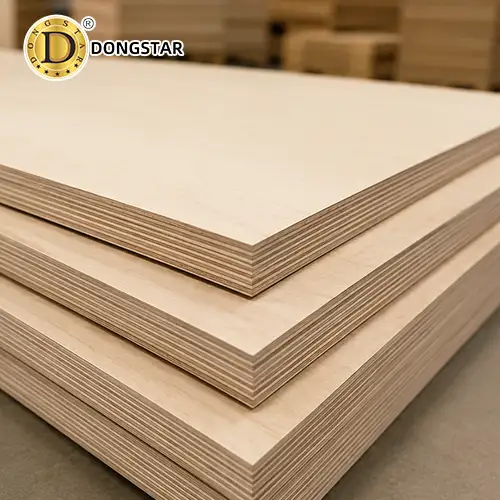
Why EUTR Matters So Much for Plywood Importers
Plywood supply chains can be highly complex.
A single panel may contain:
- Multiple veneer layers
- Different timber species
- Several processing stages
- Imported raw materials
This complexity increases compliance risk.
Common EUTR Risks for Importers
- Unclear timber origin
- Missing harvest documentation
- Inconsistent certificates
- Supplier transparency issues
- High-risk sourcing countries
As a result, European buyers are becoming more selective when choosing suppliers.
1. Why Vietnam Is Gaining Attention Under EUTR
Vietnam has become one of the fastest-growing plywood export countries for Europe.
Why EU Buyers Prefer Vietnam Suppliers
Plantation Timber Availability
Vietnam increasingly uses plantation-grown timber such as:
- Acacia
- Eucalyptus
- Rubberwood
This improves traceability compared with some high-risk supply chains.
Growing FSC Adoption
Many Vietnamese factories now offer:
- FSC-certified plywood
- Traceable sourcing
- Export-ready documentation
This reduces compliance concerns for importers.
Strong Export Experience
Leading suppliers already understand:
- EU documentation requirements
- Customs expectations
- Buyer compliance procedures
That’s one reason demand for experienced Vietnam Plywood Supplier partners continues rising.
2. What Documents EU Buyers Should Request
Before importing plywood, buyers should request complete compliance documentation.
Essential Documents
FSC Certification
Confirms responsible forest management.
Commercial Invoice
Must match product information accurately.
Packing List
Ensures shipment transparency.
Bill of Lading
Verifies shipping details.
Timber Species Declaration
Important for traceability.
Due Diligence Documentation
Supports legal sourcing verification.
Professional suppliers prepare these documents proactively.
3. Why Supplier Transparency Is More Important Than Ever
One of the biggest EUTR challenges is incomplete supplier information.
Warning Signs
- Unclear timber origin
- Inconsistent answers
- Missing certificates
- Refusal to share factory details
Reliable suppliers are transparent about:
- Raw material sourcing
- Factory operations
- Production process
- Export history
This is especially important when working with a Vietnam Birch Plywood factory or hardwood plywood supplier.
4. The Difference Between EUTR and EUDR
Many buyers confuse EUTR and EUDR.
EUTR
Focused mainly on preventing illegal timber.
EUDR
Introduces stricter requirements including:
- Geolocation tracking
- Deforestation-free sourcing
- Enhanced traceability
Even though EUDR is becoming more important, EUTR compliance still matters significantly for importers today.
Forward-looking suppliers are already preparing for both.
5. Why Birch Plywood Faces Higher Compliance Scrutiny
Birch plywood has become a major focus area in Europe.
Why?
Because birch raw materials often involve:
- Cross-border supply chains
- Sanctions concerns
- Origin verification issues
This is why many buyers now carefully evaluate every Vietnam Birch Plywood factory before purchasing.
What Buyers Should Verify
- Birch origin
- FSC chain of custody
- Production location
- Export records
6. How Smart Importers Reduce Compliance Risk
Experienced importers usually follow a structured sourcing process.
Best Practices
Work with Established Factories
Experienced exporters understand EU regulations better.
Request Third-Party Inspections
Independent inspections reduce sourcing risk.
Audit Supplier Documentation
Always verify certificates carefully.
Avoid Extremely Cheap Offers
Low prices sometimes indicate compliance shortcuts.
7. Why OEM and Traceability Now Go Together
OEM production is growing rapidly in Europe.
Distributors increasingly request:
- Private labels
- Custom packaging
- Branded products
However, branded importing also increases responsibility for compliance.
That’s why buyers now prefer OEM suppliers with:
- Stable documentation systems
- FSC capability
- Export transparency
8. Common Mistakes EU Plywood Importers Still Make
1. Choosing Suppliers Only by Price
Cheap products may create high compliance risk.
2. Ignoring Timber Origin
Unclear sourcing can create customs problems.
3. Failing to Verify Certificates
Some buyers trust documents without validation.
4. Using Traders Without Factory Visibility
Lack of transparency increases uncertainty.
9. Why Long-Term Supplier Partnerships Matter More Today
The plywood market is becoming more compliance-driven every year.
That means buyers increasingly value:
- Stable documentation
- Consistent quality
- Reliable communication
- Long-term transparency
For many importers, changing suppliers frequently now creates more risk than savings.
Why Many EU Buyers Choose Vietnam Dongstarwood
As compliance expectations increase, many importers prefer suppliers with proven export experience.
Vietnam Dongstarwood Advantages
- Direct manufacturing factory
- Export experience to Europe
- FSC-certified material options
- OEM production capability
- Stable documentation systems
- Professional export support
For EU buyers, working directly with an experienced Vietnam Plywood Supplier helps reduce:
- Compliance uncertainty
- Quality inconsistency
- Communication delays
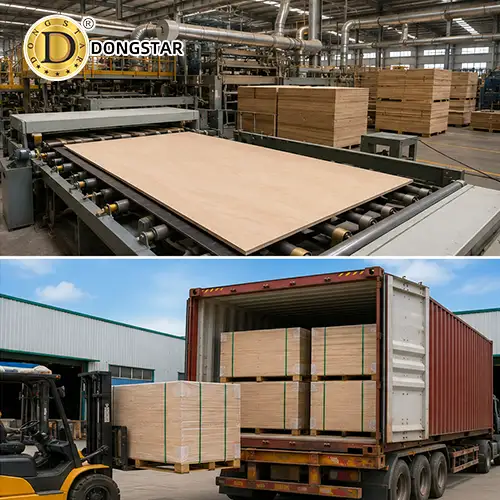
FAQs: EUTR and Plywood Importing
EUTR is an EU regulation designed to prevent illegal timber products from entering Europe.
Yes. Plywood products imported into the EU are covered by EUTR requirements.
Because many offer better traceability, FSC certification, and export experience.
FSC certificates, invoices, packing lists, timber declarations, and due diligence documents.
Yes. Birch plywood often receives increased scrutiny due to complex sourcing concerns.
By working with transparent suppliers, verifying documents, and using third-party inspections.
Final Thoughts: Compliance Is Now a Competitive Advantage
For modern plywood importers, EUTR compliance is no longer optional.
It directly affects:
- Customs clearance
- Business reputation
- Supply chain stability
- Long-term profitability
That’s why experienced buyers increasingly prioritize:
- Transparent sourcing
- Reliable documentation
- Stable manufacturing partners
And for many EU companies, working with a professional Vietnam Plywood Supplier like Vietnam Dongstarwood offers a more reliable path toward lower-risk importing in 2026 and beyond.