

Vietnam Film Faced Plywood vs Chinese Supply: What EU Project Buyers Really Need to Know
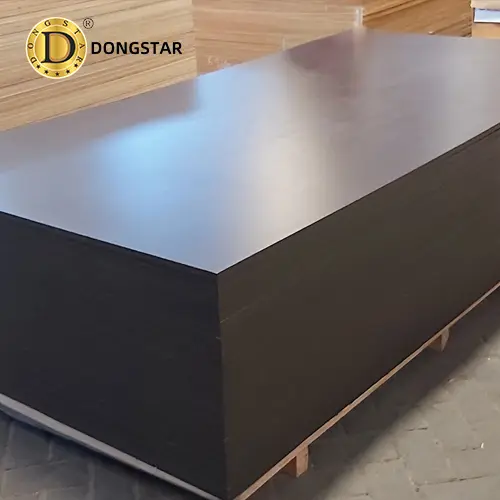
If you are sourcing materials for infrastructure or construction projects in Europe, you’ve probably noticed something: Vietnam Film Faced Plywood is suddenly everywhere.
This is not random.
Over the past 2–3 years, EU buyers have been actively shifting away from Chinese supply chains toward Vietnam. The reasons go far beyond price. It’s about compliance, durability, supply stability, and long-term project cost control.
According to recent industry data, Vietnam has become one of the most searched plywood sources among European contractors in 2026, driven by stricter regulations and supply chain risks.
So the real question is:
Which option actually delivers better value for your project — Vietnam or China?
Let’s break it down.
1. EU Market Trend: Why Buyers Are Moving Away from China
The shift is structural, not temporary.
Key drivers behind the change:
- Anti-dumping policies and trade restrictions on Chinese plywood
- Increasing compliance requirements (EUDR, FSC, CE)
- Supply chain disruptions and longer lead times
- Rising production costs in China
At the same time, Vietnam has stepped in as a reliable alternative.
- Up to 80% of some Vietnamese suppliers’ exports now go to Europe
- EU demand for film faced plywood continues to grow with infrastructure expansion
For project buyers, this means one thing:
Vietnam is no longer a backup option — it’s becoming the primary sourcing hub.
2. Price Comparison: Is Vietnam Really Cheaper?
Let’s be clear: China used to dominate on price.
But that’s changing.
Current reality:
- Vietnam plywood is typically 5–15% cheaper than equivalent Chinese products
- Lower labor costs (30–40% cheaper manufacturing)
- Stable domestic raw material supply reduces price volatility
Hidden cost insight (most buyers miss this):
Cheap Chinese plywood often uses:
- Lower film weight (135–160 gsm)
- Melamine glue instead of WBP
- Lower reuse cycles (5–8 times)
While premium Vietnam Film Faced Plywood:
- Uses higher-grade phenolic film (220–280 gsm)
- Achieves 15–25 reuse cycles
Result: Lower cost per use, not just per sheet.
3. Quality & Durability: The Real Cost Factor in Projects
For contractors, quality = money.
Vietnam Film Faced Plywood advantages:
- 100% hardwood core (acacia, eucalyptus)
- Stronger load-bearing capacity
- Better moisture resistance
- Consistent thickness and surface
Vietnam plywood can be reused up to 20–25 times in formwork applications
Chinese supply challenges:
- Inconsistent core materials
- Mixed quality batches
- Shorter lifecycle
For large-scale projects, this difference directly impacts:
- Labor cost
- Replacement frequency
- Project delays
4. Compliance: The #1 Concern for EU Importers
This is where Vietnam clearly wins.
Vietnam advantages:
- FSC certification available
- CARB P2 compliant
- CE certified for EU market
- EUDR-ready supply chains
Chinese supply risks:
- Increasing scrutiny from EU authorities
- Difficulty meeting EUDR requirements
- Anti-dumping duties in some cases
For project procurement teams, compliance is not optional anymore.
Non-compliant materials = project risk.
5. Supply Chain Stability: Why It Matters More Than Price
One major advantage of Vietnam:
Strong domestic raw material base
- 80–90% of wood sourced locally
- Reduced dependence on imports
- Stable long-term supply
China’s challenge:
- Heavily dependent on imported timber
- More exposed to global disruptions
In simple terms:
Vietnam offers predictability — which is critical for long-term projects.
6. Lead Time & Logistics to Europe
Vietnam advantages:
- Efficient shipping routes (Hai Phong → Rotterdam ~35–38 days)
- Less port congestion compared to China
- Flexible production schedules
China limitations:
- Longer waiting times during peak seasons
- Higher logistics uncertainty
For project timelines, delays are costly.
7. Flexibility & Supplier Collaboration
Vietnamese manufacturers are known for:
- Lower MOQ requirements
- Custom specifications (film, core, size)
- OEM branding support
- Faster communication
Chinese factories often require:
- Large volumes
- Standardized products
- Less flexibility
For EU importers and distributors:
Vietnam is easier to work with.
8. Choosing the Right Film Faced Plywood Supplier
Not all suppliers are equal.
When selecting a film faced plywood supplier, focus on:
Checklist:
- FSC & CE certification
- WBP glue (not MR glue)
- Film weight ≥ 180 gsm
- Core type (eucalyptus preferred for heavy projects)
- Proven EU export experience
A reliable supplier should also provide:
- Test reports
- Loading photos
- Quality inspection process
FAQs: EU Buyers Ask These Questions Most
1. Is Vietnam Film Faced Plywood suitable for high-rise projects?
Yes. Especially eucalyptus core panels with WBP glue are designed for heavy-duty formwork.
2. How many times can Vietnam plywood be reused?
Typically 15–25 times depending on quality and usage conditions.
3. Why is Chinese plywood sometimes cheaper upfront?
Lower material quality and shorter lifespan reduce initial cost but increase total project cost.
4. Does Vietnam plywood meet EU standards?
Yes. Many suppliers provide FSC, CE, and CARB certifications.
5. What thickness is best for construction?
18mm is the most common for concrete formwork.
6. How do I avoid low-quality suppliers?
Always verify certifications, request samples, and check export history.
Conclusion: Vietnam vs China – The Smart Choice for 2026
If you’re managing a construction project in Europe, the decision is becoming clearer:
- China may still offer lower upfront prices
- But Vietnam delivers better long-term value, compliance, and reliability
That’s why more contractors, importers, and developers are switching to Vietnam Film Faced Plywood.