

Choosing the right plywood material is a critical decision for importers, wholesalers, furniture manufacturers, and construction companies. The wrong plywood selection can increase production costs, create quality issues, and affect project performance.
Among the growing range of plywood products available from Asia, Vietnam Pine Plywood and Vietnam Poplar Plywood have become increasingly popular choices for European buyers.
Both products offer unique advantages. Pine plywood is known for strength, durability, and structural performance, while poplar plywood is valued for its lightweight characteristics, smooth surface, and cost efficiency.
For companies sourcing plywood from Vietnam, understanding the differences between Pine Plywood vs Poplar Plywood helps ensure the right material is selected for each application.
This guide explains the key differences, advantages, applications, and purchasing considerations for professional B2B buyers.
Why European Buyers Are Increasingly Sourcing Plywood from Vietnam
Vietnam has become an important plywood manufacturing and export destination due to:
- Competitive production costs
- Advanced plywood manufacturing technology
- Skilled woodworking workforce
- Strong export experience
- Flexible OEM capabilities
- Increasing FSC-certified plywood availability
European importers are looking for suppliers that can provide stable quality, reliable delivery, and competitive pricing.
As a result, products such as Vietnam Pine Plywood and Vietnam Poplar Plywood are gaining attention among distributors, furniture producers, construction companies, and project contractors.

What Is Vietnam Pine Plywood?
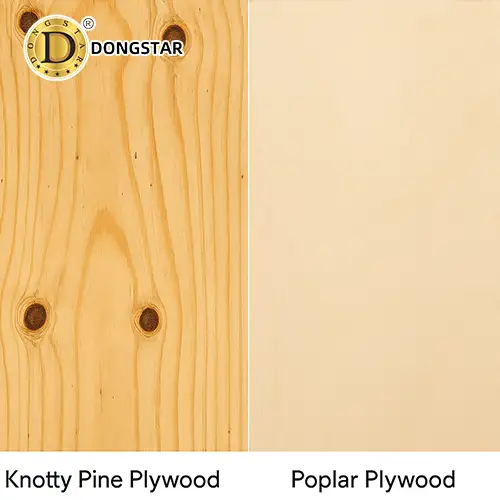
Vietnam Pine Plywood is manufactured using pine veneers or pine-based cores bonded together under high pressure and temperature.
Pine wood is naturally known for:
- Good strength
- Excellent stiffness
- Attractive wood grain
- Good screw-holding ability
- Long service performance
Because of these characteristics, pine plywood is widely used in applications where durability and mechanical strength are important.
Common Applications of Pine Plywood
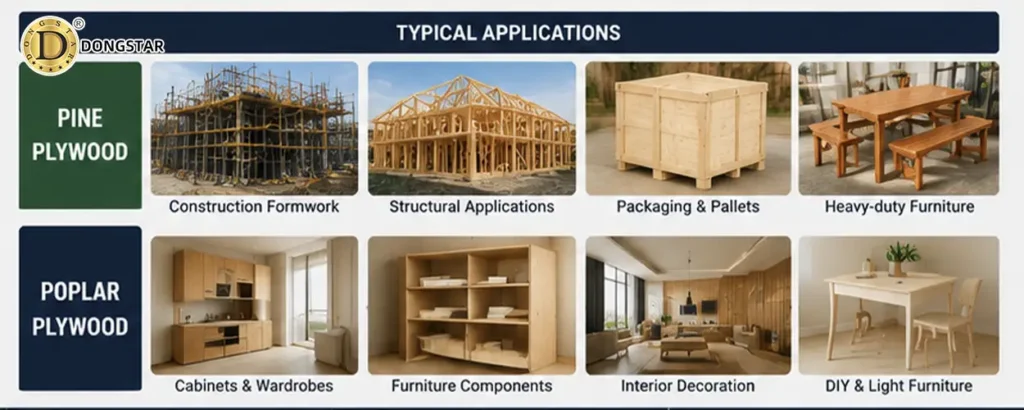
Vietnam Pine Plywood is commonly used for:
- Construction projects
- Structural applications
- Furniture manufacturing
- Packaging solutions
- Interior decoration
- Industrial applications
For buyers requiring strong and durable plywood panels, pine plywood is often the preferred option.
What Is Vietnam Poplar Plywood?
Vietnam Poplar Plywood is manufactured using poplar wood veneers or poplar core materials.
Poplar is a fast-growing hardwood species known for:
- Lightweight structure
- Smooth surface
- Easy machining
- Good dimensional stability
- Cost efficiency
Because of its light weight and clean appearance, poplar plywood is widely used in furniture and interior applications.
Common Applications of Poplar Plywood
Vietnam Poplar Plywood is suitable for:
- Cabinet manufacturing
- Furniture components
- Decorative panels
- Interior projects
- Lightweight structures
- DIY furniture production
For manufacturers focused on reducing product weight and improving processing efficiency, poplar plywood can be an excellent choice.
Vietnam Pine Plywood vs Vietnam Poplar Plywood: Key Differences
| Feature | Vietnam Pine Plywood | Vietnam Poplar Plywood |
|---|---|---|
| Wood Type | Softwood | Hardwood |
| Weight | Medium | Lightweight |
| Strength | Higher | Moderate |
| Surface Appearance | Natural grain | Smooth and uniform |
| Machining | Good | Excellent |
| Screw Holding | Excellent | Good |
| Cost | Medium | Competitive |
| Main Applications | Construction, structural use | Furniture, interior products |
1. Strength and Structural Performance
When comparing Pine Plywood vs Poplar Plywood, strength is one of the most important factors.
Vietnam Pine Plywood Advantages
Pine plywood generally provides:
- Higher bending strength
- Better impact resistance
- Stronger screw holding
- Improved performance under heavy loads
For construction projects and applications requiring durability, pine plywood is often the better choice.
Vietnam Poplar Plywood Advantages
Poplar plywood offers:
- Good stability
- Lightweight handling
- Easy cutting and machining
It performs well in applications where extreme strength is not the main requirement.
2. Weight Considerations
Weight is becoming increasingly important for European manufacturers because lighter materials can reduce:
- Transportation costs
- Labor requirements
- Installation difficulty
Vietnam Poplar Plywood has an advantage in lightweight applications.
For example:
- Modular furniture
- Mobile structures
- Interior panels
However, when strength is the priority, Vietnam Pine Plywood provides better performance.
3. Surface Quality and Appearance
Furniture manufacturers often consider surface appearance carefully.
Pine Plywood
Advantages:
- Natural wood grain appearance
- Attractive texture
- Suitable for rustic and natural designs
Poplar Plywood
Advantages:
- Smooth surface
- Uniform color
- Easy painting and laminating
For painted furniture or decorative panels, poplar plywood is often preferred.
4. Processing and Manufacturing Efficiency
Both plywood types are suitable for CNC processing.
However:
Poplar plywood offers:
- Easy cutting
- Smooth machining
- Reduced tool wear
Pine plywood offers:
- Strong edge performance
- Better fastener holding
- Higher durability
The best choice depends on the final product requirements.
5. Cost Comparison
Price is an important consideration for large-volume buyers.
Generally:
- Poplar plywood is often more cost-efficient for lightweight applications.
- Pine plywood may have a higher price because of its stronger performance.
However, professional buyers should evaluate:
- Product lifespan
- Production efficiency
- Replacement costs
- Customer expectations
The lowest purchase price does not always represent the lowest total cost.
How European Buyers Should Choose Between Pine and Poplar Plywood
Before placing an order, buyers should consider five key questions:
1. What Is the Final Application?
Choose:
Pine plywood for:
- Structural projects
- Heavy-duty furniture
- Construction applications
Choose:
Poplar plywood for:
- Lightweight furniture
- Interior panels
- Decorative applications
2. Does Weight Matter?
If transportation and handling costs are important, poplar plywood may provide advantages.
3. Is Appearance Important?
For visible surfaces:
- Poplar offers a cleaner appearance.
- Pine provides a natural wood character.
4. What Certifications Are Required?
European buyers increasingly request:
- FSC certification
- Legal timber documentation
- Quality inspection reports
5. Does the Supplier Have Export Experience?
A reliable supplier should provide:
- Technical specifications
- Product samples
- Factory information
- Quality control procedures
- Export support
Why Choose Dongstar Wood as Your Vietnam Plywood Supplier?
Dongstar Wood supplies plywood solutions for international customers, including distributors, contractors, furniture manufacturers, and project buyers.
Our product range includes:
- Vietnam Pine Plywood
- Vietnam Poplar Plywood
- Commercial Plywood
- Film Faced Plywood
- Birch Plywood
- OEM plywood solutions
Key advantages include:
- Factory-direct supply
- Professional quality control
- Flexible production options
- Export experience
- Customized packaging
- Reliable customer service
Dongstar works with global buyers to provide plywood solutions matching different project requirements and market expectations.
FAQs
Yes. Pine plywood generally provides higher strength and better structural performance compared with poplar plywood.
It depends on the product. Poplar plywood is excellent for lightweight furniture, while pine plywood is preferred for stronger furniture structures.
Yes. Many European furniture manufacturers use poplar plywood because of its lightweight characteristics and easy processing.
Poplar plywood is often more cost-effective for lightweight applications, while pine plywood provides greater value where strength is required.
Yes. Many manufacturers support customized sizes, packaging, and private-label production.
Buyers should review:
- Core construction
- Thickness tolerance
- Glue quality
- Moisture content
- Surface condition
- Third-party inspection reports
Conclusion: Choosing the Right Vietnam Plywood for Your Business
Both Vietnam Pine Plywood and Vietnam Poplar Plywood offer excellent opportunities for European buyers.
The right choice depends on your application:
- Choose Vietnam Pine Plywood when strength, durability, and structural performance are priorities.
- Choose Vietnam Poplar Plywood when lightweight design, easy processing, and cost efficiency are more important.
For importers, wholesalers, and project buyers, partnering with an experienced Vietnam Plywood Supplier ensures better product consistency, reliable delivery, and long-term business value.
Related Articles
- All Posts
- Company News
- Product Post
Selecting the right structural panel can significantly affect the quality, durability, and overall cost of...
Introduction: Why This Comparison Matters in 2026 If you are sourcing plywood for European projects...